

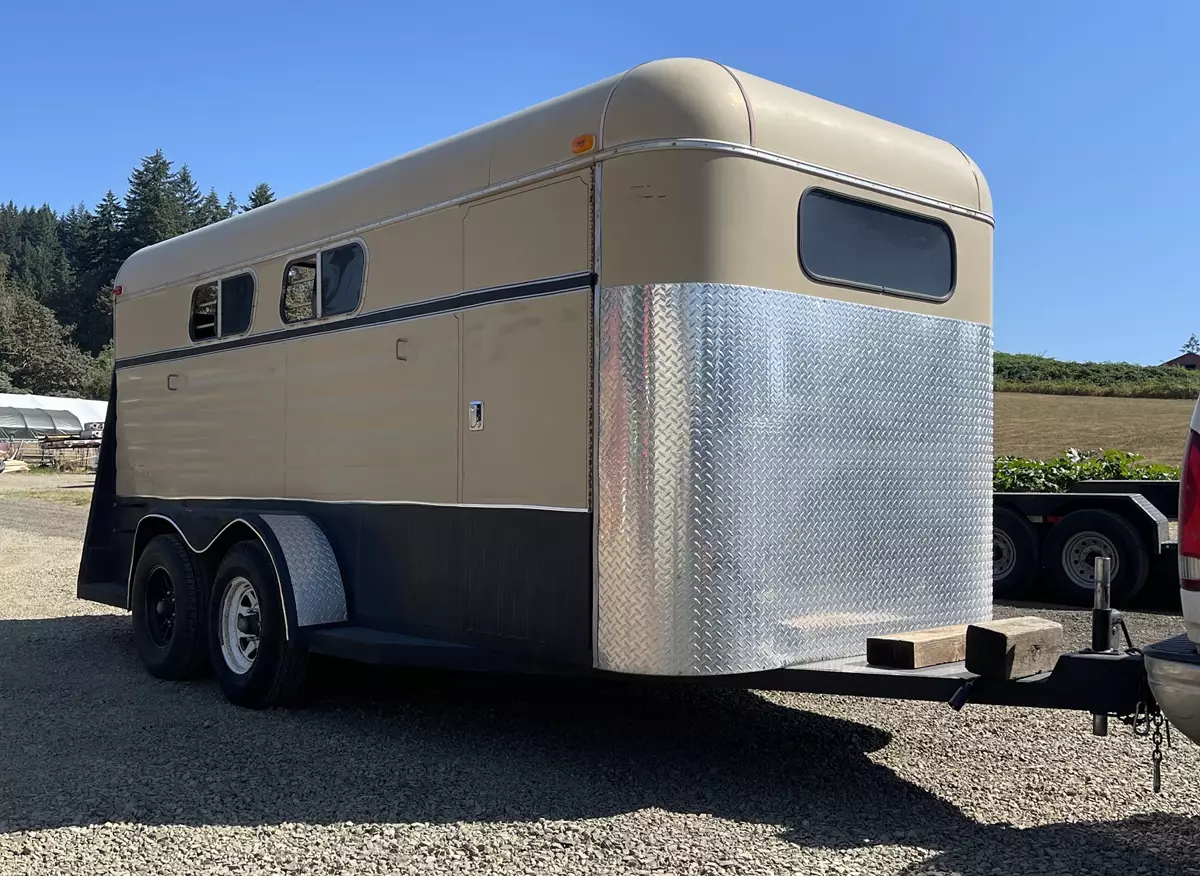
Everything First-Time Horse Trailer Buyers Need to Know
 Neighbors Trailer
Nov 12, 2022 1270 9 min read horse trailer buying tip
Buying your first horse trailer is one of the biggest investments you will make as a horse owner. A quality horse trailer keeps your animals safe during transport, reduces travel stress, and gives you the freedom to attend shows, trail rides, veterinary appointments, and relocations on your own schedule. Getting the wrong trailer, however, can put your horse at risk and drain your bank account with costly modifications or a premature replacement.
This guide covers everything first-time horse trailer buyers need to know, from trailer types and sizing to towing requirements, safety features, and budgeting. Whether you plan to haul one horse to local trail rides or transport multiple horses across the state for competitions, making an informed purchase starts here.
Types of Horse Trailers Explained
Horse trailers come in several configurations, and each serves different needs. Understanding the differences helps you narrow your search before you start shopping.
Straight Load Trailers
In a straight load trailer, horses stand facing forward in individual stalls separated by dividers. Horses load through a rear door and walk straight in. These trailers typically hold two to three horses and are the most common choice for recreational horse owners. Many horses load more willingly into straight load trailers because they can see where they are going. Straight loads tend to be narrower and lighter, making them easier to tow with mid-size trucks.
Slant Load Trailers
Slant load trailers position horses at an angle, usually around 35 to 45 degrees from the direction of travel. This design can fit more horses in the same trailer length because the diagonal positioning uses space more efficiently. Slant loads are popular for hauling three or more horses. Some horse owners believe horses ride more comfortably at an angle because they can brace themselves better during stops and turns. Loading requires the horse to step in and pivot, which some horses find less intuitive than walking straight in.
Stock Trailers
Stock trailers have an open interior without individual stalls. They were originally designed for cattle but many horse owners use them for short, local hauls. Stock trailers offer more airflow and give horses room to turn around and position themselves naturally. They are also versatile enough to haul other livestock or cargo when you are not transporting horses. The trade-off is less individual protection for each horse during transport.
Trailers with Living Quarters
If you plan to travel long distances for shows or multi-day trail riding events, a trailer with living quarters combines horse transport with a built-in camper. These trailers include sleeping areas, kitchenettes, bathrooms, and climate control in the front section. They cost significantly more than basic horse trailers but eliminate the need for separate lodging when you travel with your horses.
| Trailer Type | Capacity | Price Range (New) | Best For |
| Straight Load (Bumper Pull) | 1-3 horses | $8,000 - $25,000 | Local hauls, recreational riders |
| Slant Load (Bumper Pull) | 2-4 horses | $12,000 - $35,000 | Multiple horses, shows |
| Slant Load (Gooseneck) | 3-6 horses | $18,000 - $50,000 | Frequent travel, competitions |
| Stock Trailer | 2-6 horses | $6,000 - $20,000 | Short local trips, multi-use |
| Living Quarters | 2-4 horses + LQ | $35,000 - $150,000+ | Long-distance travel, shows |
Sizing Your Horse Trailer Correctly
Horses need enough room to stand comfortably, shift their weight for balance, and lower their heads during travel. A trailer that is too small creates stress and increases the risk of injury. As a general rule, each horse stall should be at least 5 feet wide and 7 feet tall inside the trailer. For larger breeds like Warmbloods or draft crosses, look for stalls that are 5.5 to 6 feet wide with 7.5 feet of interior height.
Trailer length matters too. A two-horse straight load trailer typically ranges from 14 to 16 feet in total length, while a three-horse slant load runs 20 to 24 feet. Always measure your horse's height at the head (with ears up) and length from chest to tail before shopping. Add at least 6 inches to each measurement for comfort clearance.
NeighborsTrailer.com
Tow Vehicle Requirements for Horse Trailers
Your tow vehicle must be rated to handle the combined weight of the trailer plus horses, feed, tack, and gear. A two-horse bumper pull trailer loaded with horses and equipment can easily weigh 6,000 to 8,000 pounds. A four-horse gooseneck can exceed 12,000 pounds loaded. Check your truck's tow rating, payload capacity, and GVWR before committing to a trailer purchase.
Most two-horse bumper pull trailers can be towed by half-ton trucks like the Ford F-150 or Chevrolet 1500, provided the truck has the right tow package. Three-horse and larger gooseneck trailers typically require a three-quarter-ton or one-ton truck like the Ford F-250/F-350, Ram 2500/3500, or Chevrolet 2500/3500. Never tow a horse trailer with a vehicle that is at or near its maximum tow rating, as you need a margin of safety for hills, wind, and emergency braking.
Essential Safety Features to Look For
Safety should be the top priority when evaluating horse trailers. Several features separate a safe trailer from a risky one.
Floor Construction
The trailer floor supports the full weight of your horses during every trip. Aluminum floors resist rust and rot better than wood floors, but quality treated wood floors with proper maintenance can last many years. Inspect the floor carefully on used trailers, as a compromised floor can give way under a horse's weight with catastrophic results. Rubber mats over the floor surface provide traction and cushioning.
Ventilation
Horses generate significant body heat during travel. Proper ventilation through windows, roof vents, and side gaps prevents overheating, which is especially dangerous during summer transport. Drop-down windows with bars allow airflow while keeping horses safely contained. A well-ventilated trailer also reduces respiratory issues caused by ammonia buildup from urine during longer trips.
Dividers and Padding
Padded dividers protect horses from impact during sudden stops and turns. Look for dividers with smooth edges and secure latching systems that will not come loose under pressure. Chest bars and butt bars or chains should be sturdy and height-adjustable to fit different sized horses.
Emergency Exit
A side escape door or front ramp gives you access to a horse in trouble without having to enter through the rear behind other horses. This feature is especially important in slant load trailers where reaching a horse in the front stall from the rear is difficult.
New vs. Used Horse Trailers
New horse trailers come with manufacturer warranties, current safety features, and no hidden wear. Used trailers cost significantly less but require careful inspection of the floor, frame, axles, brakes, tires, wiring, and overall structural integrity. A used trailer that looks fine on the outside can have serious problems underneath. If you are considering a used trailer, hiring a qualified trailer mechanic to perform a pre-purchase inspection is well worth the cost. For buyers who need to evaluate a used trailer, understanding what to look for can save thousands in unexpected repairs.
Renting Before Buying
If you are not sure which trailer type suits your needs, renting first is a smart strategy. Renting lets you try different configurations, test your tow vehicle's capability, and see how your horse travels before committing to a purchase. Platforms like Neighbors Trailer connect horse owners with local trailer rentals, making it easy to rent a horse trailer for a weekend trip or show before investing in your own. Weighing the full own-versus-rent decision? Our comparison hub breaks it down. Every rental booked through Neighbors Trailer automatically includes NT Protect, which is mandatory coverage charged to the renter at a few dollars per day, so you can try before you buy with confidence.
Frequently Asked Questions About Buying a Horse Trailer
How much should I budget for my first horse trailer?
For a first-time buyer hauling one or two horses locally, expect to spend $8,000 to $20,000 for a new bumper pull trailer or $4,000 to $12,000 for a quality used one. Set aside an additional $500 to $1,500 for accessories like rubber mats, hay bags, tie rings, and a spare tire. If your tow vehicle needs a hitch installation or brake controller, factor that cost in as well. To sanity-check a specific used trailer's asking price, the Trailer Value Calculator estimates what it's worth.
What is the difference between bumper pull and gooseneck horse trailers?
A bumper pull hitches to a ball on the rear bumper or frame of the tow vehicle. A gooseneck connects to a ball in the bed of a pickup truck, distributing weight more evenly and providing greater stability at highway speeds. Gooseneck trailers can haul more horses and are easier to maneuver in tight spaces, but they require a pickup truck with a bed-mounted hitch and generally cost more than comparable bumper pull models.
How often should I service my horse trailer?
Perform a visual inspection before every trip, checking tires, lights, latches, floors, and hitch components. Schedule full maintenance at least once a year or every 5,000 miles, whichever comes first. Annual service should include repacking wheel bearings, inspecting brakes, checking the frame and floor for corrosion, and testing all electrical connections.
Can I haul other things in my horse trailer when not hauling horses?
Yes. Many horse owners use their trailers to haul hay, feed, tack, fencing supplies, lawn equipment, and other cargo when not transporting horses. Stock trailers are especially versatile for multi-purpose use. Just be sure to clean the trailer thoroughly between livestock and cargo uses to prevent contamination and odor buildup.
Make Your First Horse Trailer Purchase With Confidence
Buying a horse trailer is a significant decision that directly affects your horse's safety and comfort. Take the time to research trailer types, measure your horse, verify your tow vehicle's ratings, and inspect any used trailer carefully before signing. If renting first helps you make a better decision, browse the trailer rental listings at Neighbors Trailer to find horse trailers available near you. The right trailer is out there, and the right preparation ensures you find it.
Related Articles
- The Complete Used Trailer Buying Guide
- Trailer Safety 101: Heavy Hauling Tips
- Storing Your Trailer Safely in Winter
- How to Choose the Right Equipment Trailer
Content updated March 2026